
Blog
15 Pros to Hire for Load Path After the Fact in Florida
Wondering who to hire for load path after the fact in Florida? Here are 15 pros and roles that can help you get approved.
Key Takeaways
-
Start by asking your local building department (AHJ) what evidence it will accept for an after-the-fact structural submission, since it controls the required documentation and approval path.
-
Hire a Florida-licensed Professional Engineer with existing-building and wind-connection experience as your anchor professional to evaluate the load path.
-
Document existing conditions with as-built drawings before the engineer evaluates, and verify the license of any engineer through the Florida Board of Professional Engineers.
-
Agree on a verification method, such as small inspection openings or testing, before closing any walls or ceilings, since concealed connections may need to be proven.
-
A permit facilitator or expediter can coordinate filing and reviewer comments, but they do not replace the engineer's evaluation or the AHJ's approval.
-
If the load path fails, expect a retrofit design and repairs by a licensed contractor, followed by re-inspection; catching issues early keeps the fix smaller and cheaper.
So you built something, finished something, or bought something, and now the building department wants proof that it is structurally sound. Maybe it is a lanai, a roof reframe, a garage conversion, or an addition a prior owner never permitted. Whatever it is, you are staring at a phrase that sounds scary: load path. The big question is simple. Who should I hire for load path after the fact in Florida?
Take a breath. This is a very common situation, and it is fixable. Load path just means the connected route that gravity, wind uplift, and lateral forces take through your building, from the roof all the way down to the foundation. When work was done without a permit, or without inspections, someone qualified has to show that route is intact.
In this friendly guide, we walk through 15 professionals and roles that can help, who does what, and how to avoid paying twice for the same answer. We will also cover how your local building department fits in, because it ultimately decides what evidence it will accept. If you want a team to coordinate all of this, you can get a free quote from 1 Contractor Solutions anytime.
What Does a Load Path Review Actually Involve?
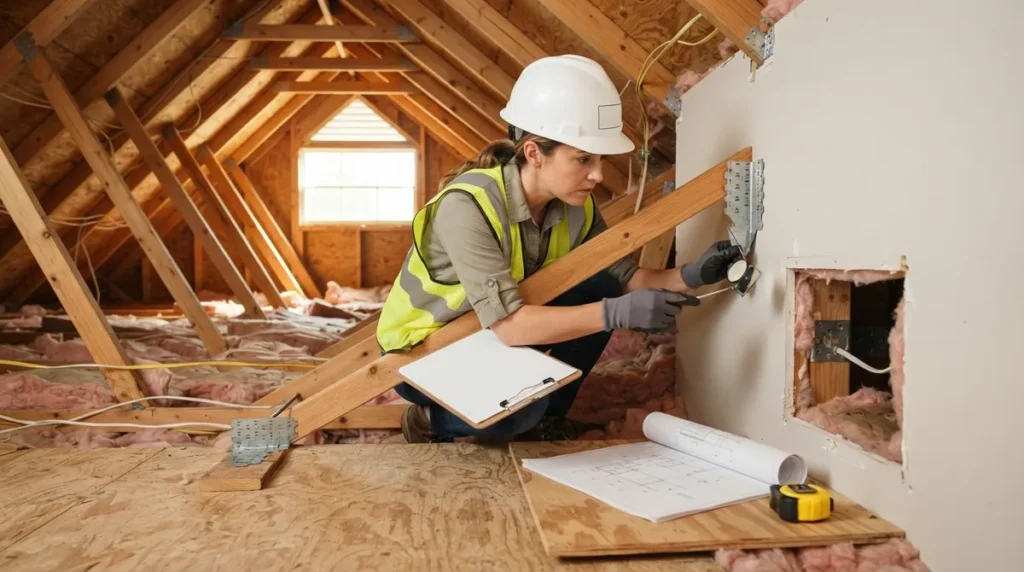
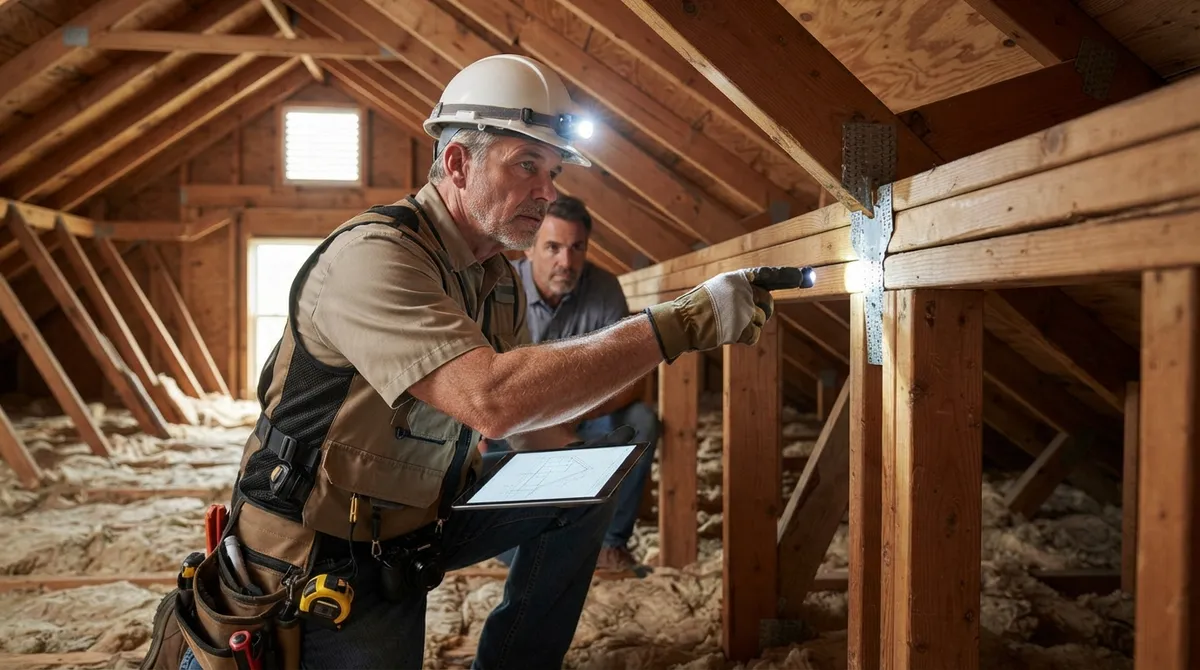
Before we pick names, let's make sure we all mean the same thing. A load-path evaluation traces how forces move through your structure. Done well, it looks at actual site conditions, not assumptions about what is hidden inside the walls.
A typical review may trace these elements:
- Roof sheathing, trusses, and rafters
- Roof-to-wall connections, such as straps, clips, and fasteners
- Wall bracing and shear resistance
- Floor and roof diaphragms
- Anchorage of walls to the slab or foundation
- Foundation size and condition for any new loads
Because wind is the headline force in Florida, uplift connections get special attention. The engineer should assess what is truly present rather than assume concealed connectors exist.

The Short Answer: Start With a Florida-Licensed PE
For an after-the-fact load-path review, the best first hire is generally a Florida-licensed Professional Engineer (PE) with real structural experience in your building type. The engineer evaluates the existing force-transfer system and tells you what documentation, testing, or repairs are needed.
But there is a catch worth knowing: the local building department decides what it will accept. The city or county, formally called the authority having jurisdiction (AHJ), controls the application path, required evidence, inspections, and whether sealed documents or corrective work are required. Requirements vary by jurisdiction and project, so confirm with the AHJ before commissioning plans. You can use our building department lookup to find out who actually controls your address.
15 Pros and Roles to Consider for Load Path After the Fact
1. Florida-Licensed Structural Engineer (PE)
This is your anchor hire. A structural PE inspects the existing conditions, runs calculations when needed, and issues a sealed report or drawings. Learn more about our structural engineering services.
2. Engineer With Existing-Building Experience
Not every structural engineer loves evaluating work already in place. Ask for someone who regularly handles existing-building evaluations, wind connections, and as-built documentation. New-construction design and forensic-style evaluation are different skills.
3. Engineer Who Can Issue Engineer Letters
Sometimes the building department only needs a sealed letter stating the work meets code intent, based on a site visit. See our overview of engineer letters. Whether a letter is enough is the AHJ's call, so ask first.
4. Drafter for As-Built Drawings
Before an engineer can evaluate something, someone usually needs to document what exists. A drafter measures and produces as-built drawings showing walls, openings, framing, and layout. Our architectural drafting team does this daily.
5. Permit Expediter or Permit Facilitator
A permitting service can coordinate paperwork, file the application, and track reviewer comments. To be clear, a permit expediter does not replace the engineer's technical evaluation or the AHJ's approval. Their job is making the process move. Explore permit facilitation and filing.
6. After-the-Fact Permitting Specialist
Retroactive permits have their own quirks, including inspection requirements, double fees in some places, and documentation expectations. A specialist who works in this space daily knows how to package it. See our page on after-the-fact and expired permits.
7. Licensed General Contractor
If the engineer finds the load path falls short, someone licensed has to build the fix. The engineer evaluates and designs. A properly licensed contractor performs construction or regulated trade work when required. Our guide for general contractors explains how we support these jobs.
8. Licensed Roofing Contractor
Roof-to-wall connections often sit right at the roof edge. If your retrofit involves strapping or re-nailing the roof deck, a licensed roofer may be the right installer. Our resources for roofing contractors cover the permitting side.
9. Truss Engineer or Truss Manufacturer
If trusses were modified, cut, or added without documentation, the truss manufacturer or a truss engineer may need to review or sign off on repairs. We cover this step in 8 steps for truss verification after the fact in Florida.
10. Foundation or Geotechnical Specialist
Adding a second story, enclosing a patio, or placing heavy loads on an old slab can raise foundation questions. When the load path ends at the footing, someone must confirm the footing can take it. See our walkthrough on foundation verification after the fact.
11. Private Provider Plan Reviewer or Inspector
In many Florida jurisdictions, a licensed private provider can perform plan review and inspections in place of the building department queue. Whether and how this applies to after-the-fact work depends on the AHJ. Read about private provider inspections and how a private provider can help with after-the-fact permits.
12. Licensed Electrical, Plumbing, or HVAC Contractor
Penetrations through framing for wiring, pipes, or ducts can quietly weaken a load path. If MEP trades cut through structural members, you may need them for corrections after the engineer weighs in. Our MEP engineering support helps coordinate that.
13. Special Inspector or Testing Agency
When connections are concealed, the building official may require selective opening, additional inspection, or testing. A special inspector or testing agency can provide the evidence the AHJ wants. Agree on the verification method before walls are closed up.
14. Surveyor
If setbacks, flood elevations, or footprint changes are involved, a surveyor produces the as-built survey that supports your site documentation. See how we use site plans in packages like these.
15. A Single Coordinating Partner
The fifteenth "pro" is really a role: one team that ties everything together. At 1 Contractor Solutions, we pair in-house drafting and engineering with permit filing, tracking, and revision handling, so reviewer comments get fixed quickly instead of bouncing between vendors. Our plans and engineering department produces sealed drawings in house.
Who Does What: A Quick Comparison
| Professional | Primary Role | Replaces the Engineer? | Replaces the AHJ? |
|---|---|---|---|
| Structural PE | Evaluates, calculates, seals documents | Is the engineer | No |
| Drafter | Documents existing conditions | No | No |
| Permit facilitator | Files, tracks, coordinates comments | No | No |
| General contractor | Builds repairs and reinforcement | No | No |
| Private provider | Performs plan review or inspections where allowed | No | Only where law and AHJ allow |
| Testing agency | Provides verification evidence | No | No |
How to Vet Your Engineer
A little homework now saves a lot of stress later. Use this checklist:
- Verify an active Florida license through the Florida Board of Professional Engineers.
- Ask about experience with existing-building evaluations and wind connections.
- Ask if they have worked with your specific building department.
- Confirm the type of construction involved, such as wood frame, masonry, or steel.
- Ask what deliverables you will receive and who submits them.
A friendly tip: ask the engineer how they handle concealed conditions. If the answer is "we just assume," keep looking.
What Deliverables Should You Expect?
Depending on your case, the engineer or team may provide:
- A site evaluation with photographs and measurements
- Sealed as-built drawings
- Structural calculations
- An engineering report or letter
- A retrofit design if the work cannot be shown to comply
If repairs are needed, they are followed by inspections and permit closeout. A report alone does not legalize the work. The owner still has to follow the local permit process, complete corrections and inspections, and obtain final approval.
Will You Have to Open Walls?
Possibly, and it is worth planning for. When framing or connections are concealed, the building official may require selective opening, extra inspection, or testing. An engineer's report based only on visible conditions may not establish what is hidden.
Here is a smart sequence to follow:
- Call or meet with the AHJ and ask what evidence they accept.
- Have the engineer propose a verification method, such as small inspection openings.
- Get both parties aligned before closing any walls or ceilings.
- Document everything with photos and measurements.
Small, targeted openings are usually far less painful than a surprise demolition later.
A Typical Step-by-Step Path
- Confirm the jurisdiction. City lines can be tricky, so verify who reviews your address.
- Ask the AHJ what they will accept for an after-the-fact structural submission.
- Document existing conditions with measurements and as-builts.
- Hire the engineer for evaluation and, if needed, design.
- Verify concealed items through agreed openings or testing.
- Submit the package and respond to reviewer comments.
- Complete repairs with a licensed contractor if required.
- Pass inspections and close out the permit.
Which Audience Needs What?
| Who You Are | Best First Move |
|---|---|
| Homeowner | Call the building department, then hire a structural PE or a coordinating partner. See our homeowner resources. |
| Real estate agent or investor | Get a permit research and engineering plan before closing. See realtor and closing support. |
| General contractor | Bring in a PE early, before ceilings and walls are closed. |
| Solar company | Confirm roof framing capacity and connections with an engineer before filing. |
| Architect or designer | Outsource drafting and engineering so your team stays focused on design. |
What If the Load Path Fails the Review?
It happens, and it is not the end of the world. If the engineer finds the existing system does not meet requirements, the usual next steps are a retrofit design, reinforcement by a licensed contractor, and re-inspection. That might mean adding hurricane straps, sistering framing members, adding anchor bolts, or installing additional bracing.
The key is catching it early and having a plan. Compare that with ignoring the issue, which can lead to code enforcement notices, insurance problems, and delayed closings. If you are already getting heat from the county, our guide on resolving a Florida code violation after the fact is a good next read. And if the timeline is tight, our urgent permit rescue service is built for exactly that.
Mistakes to Avoid
- Hiring a drafter and calling it done. Drafting documents the structure; it does not evaluate it.
- Skipping the AHJ conversation. Rules differ by city and county.
- Closing walls too soon. Verification may need to happen first.
- Assuming a sealed report equals approval. Only the AHJ can approve and close out the permit.
- Hiring an unlicensed contractor for the fix. Regulated work needs the right license.
Why a Coordinated Team Saves Time
The most common frustration we hear is bouncing between an engineer, a drafter, and a permit runner who do not talk to each other. A reviewer comment lands, and everyone points at someone else. When drafting, engineering, filing, and revisions live under one roof, comments get answered faster and sealed drawings are updated without delay.
1 Contractor Solutions works across all 67 Florida counties with same-day response, so we can help you figure out which pro you actually need, and which you do not. Curious what others say? You can read 1 Contractor Solutions reviews on Google, or follow us on LinkedIn and follow us on Facebook for Florida permitting tips.
Final Thoughts
If you remember one thing, make it this: start by asking the building department what it will accept, then hire a Florida-licensed structural engineer with existing-building experience. Add a drafter for as-builts, a permit facilitator for coordination, and a licensed contractor if repairs are needed. That combination covers nearly every after-the-fact load-path scenario in Florida.
You do not have to figure this out alone. Whether you are a homeowner, contractor, solar installer, or agent racing a closing date, we are happy to point you in the right direction. Get a free quote today and let's get your project permitted and moving.
FAQs
Who should I hire to verify a load path for an after-the-fact permit in Florida?
Start with a Florida-licensed Professional Engineer who has structural experience with existing buildings. Before you hire, check with your local building department so you know what evidence it will accept. A permitting partner can then handle the filing and coordination.
Will I have to open walls or ceilings to prove concealed connections?
Maybe, and that is perfectly normal. If framing or connections are hidden, the building official may require selective openings, extra inspection, or testing. Agree on the verification method with the AHJ and your engineer before anything gets closed up.
Can a permitting service handle the process, or do I still need an engineer and contractor?
A permitting service can file, track, and coordinate everything, which is a huge help. It does not replace the engineer's technical evaluation or the building department's approval. If repairs are required, a properly licensed contractor still does the construction.
What happens if the engineer finds the existing load path does not meet requirements?
You will typically get a retrofit design, such as added connectors, bracing, or framing reinforcement. A licensed contractor makes the repairs, then inspections follow and the permit is closed out. Catching it early keeps the fix smaller and the stress lower.
How do I verify a Florida engineer's license and structural experience?
Look up the engineer's active license through the Florida Board of Professional Engineers. Then ask about past existing-building evaluations, wind connection work, and as-built documentation for your type of construction. A good engineer will happily walk you through their experience.
We do this work every day across all 67 Florida counties. Call (866) 314-6931 and we will tell you what your situation actually requires — including when you do not need us.
Related services
Permit Facilitation & Filing
You have a crew scheduled, a client asking for dates, and a permit sitting somewhere in a queue you cannot see. We file it, w…
See the servicePlan Review Coordination
A permit in plan review is not one queue. On a commercial project it can be six queues, each with its own reviewer, its own c…
See the serviceReady to get your permit moving?
One call tells you which jurisdiction controls your project, what it will take, and what it will cost. Most of the time we can scope it on the phone.